

If you are interested in sustainable gardening, you may have tried sheet mulching, also known sometimes as “no-dig gardening”.
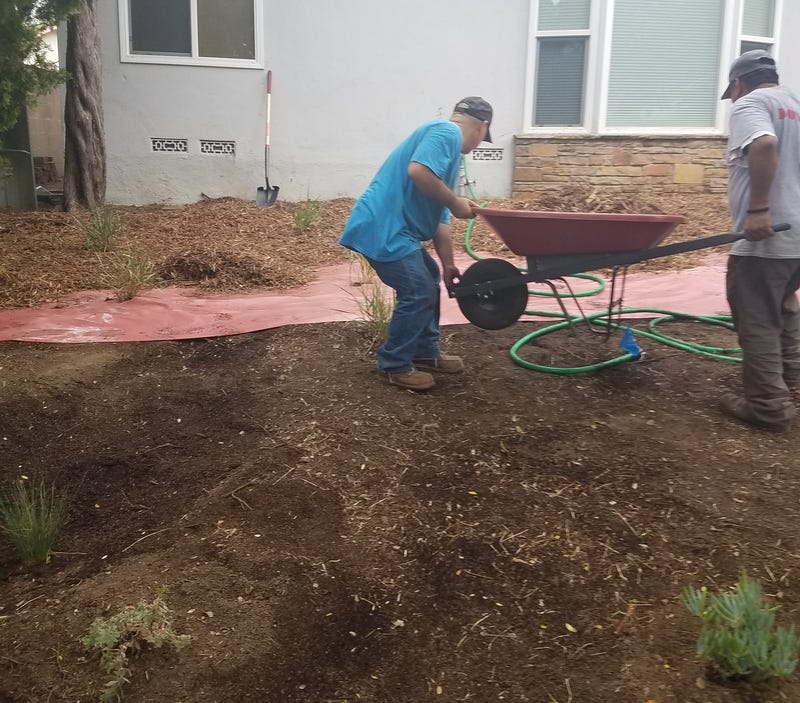
Mulch is a very useful material for your garden. A natural mulch will decompose and enrich the soil as it decays. Aesthetically, it fills the space between plants more attractively than bare soil.

Mulch can also be used to completely transform an unwanted lawn or an area of soil with poor nutritional quality. This is done by applying a sheet mulch. More details on how to apply a sheet mulch for your no-dig garden can be found in our earlier blog post on this subject

How to protect your Sheet Mulch
There is a quiet satisfaction that comes with finishing a sheet-mulched bed. You’ve spent the weekend hauling cardboard or heavy paper, spreading compost, and topping it all off with an oft-damp, heavy layer of wood chips. You can stand back with a cup of tea and admire the no-dig work of art. You might have sprinkled some wildflower seeds into the top layer, envisioning a mini-meadow for your future garden.
But then, the sun goes down. Or the neighbour’s ginger tom wakes up. Or a magpie decides your new bed looks like a Las Vegas buffet full of seeds and worms.

If you’ve ever woken up to find your carefully layered lasagna garden looking like it’s been torn apart overnight, you know how painful it can be to see all your hard work messed up. Today, we’re talking about the reality of sheet mulching in a suburban environment teeming with wildlife, and how to defend your garden’s future from wild invaders.
Why the Mess Matters: The Science of the No-Dig Barrier
Sheet mulching isn’t about making the garden look tidy; it’s more importantly seen as a biological process.
As discussed in my previous post, we are essentially building a suffocation layer. The cardboard or paper acts as a blackout curtain for weeds. Underneath that curtain, the grass, weeds and seeds perish, feeding the earthworms that rise from the depths to aerate your soil.
This sheet mulch smells very pungent to wildlife, and they are keen to see what goodies lie within. The smell of the compost and decomposing mulch attracts foxes, squirrels, birds and household cats and dogs to dig in. Your sheet mulch is a milkshake that brings all the boys to the yard!

When a fox, a cat, or a dog digs a hole, they aren’t just making a mess. They are:
Breaking the Light Barrier: Tearing the cardboard lets sunlight reach the dormant weed seeds below.
Disrupting the Seed Bed: For wildflower establishment, your seeds need to stay in the top inch of the mulch/compost mix. Deep digging buries them too far or tosses them into the hedge.
Compromising Decomposition: The heat and moisture retention required for composting escapes when the layers are breached.
In short, a disturbed bed will eventually grow weeds rather than wildflowers.

The Usual Suspects: Our Garden Guests
Living in Surrey, we are blessed with an abundance of wildlife around our suburban homes. However, their interests rarely align with our landscaping goals.
1. The Fox
Surrey is the fox capital of the UK. While they are handsome and worthy of the gram, they are mischievous and notorious diggers. They aren’t digging to spite you; they are hunting for grubs like chafer grubs or leatherjackets that thrive in the damp, protected soil beneath your mulch. A fox doesn’t just dig; it excavates your garden beds, much like the raccoons did in my former home in California.

2. The Neighbourhood Cat
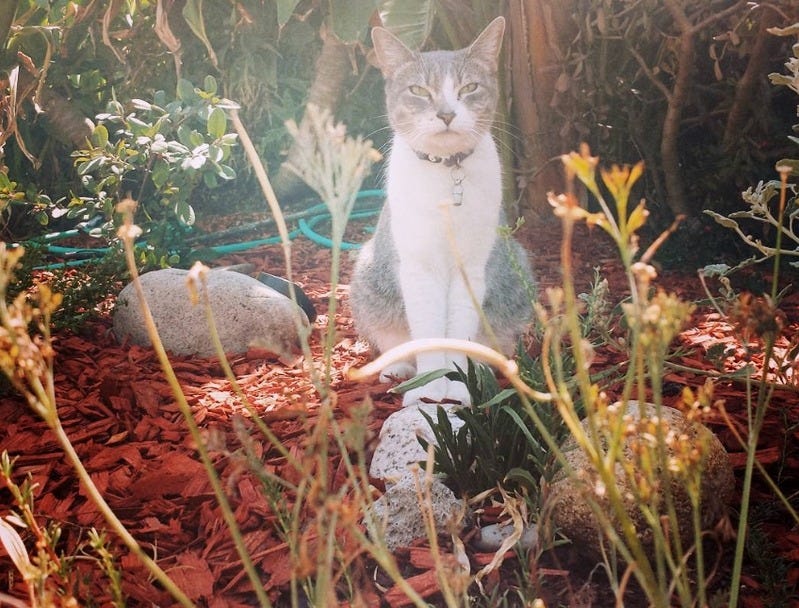
To a cat, a freshly mulched bed looks like the world’s most luxurious public toilet. The loose texture is perfect for their natural requirements. Not only is this a nasty surprise for a gardener, but the digging involved to “tidy up” afterwards, shreds your cardboard layer in seconds and scatters wildflower seeds all over the place.
3. The Blackbird
Never underestimate the damage a single blackbird can do. They hunt for insects by flicking mulch sideways with their beaks. If you have a 3-inch layer of mulch, a determined blackbird can reach the cardboard and dig into your soil in a flash. Magpies are also similarly troublesome, but luckily, they are less bold than blackbirds.

4. The Family Dog
Whether it’s your own Golden Retriever or a visitor’s Spaniel, the soft, springy texture of a new mulch bed is an invitation for the zoomies. High-speed turns on a sheet mulched bed act like a rototiller, sliding the layers apart and exposing the lasagna ingredients below. Dogs also love to nibble on kittie poo, so keeping your cats out will also help discourage the pooch from messing with your bed.
The Humane Defence: Deterrence Without Harm
We share our gardens with wildlife, and they are part of why we strive to build natural gardens. They can be troublesome, and our goal is to make our garden beds the least attractive place for them to hang out, encouraging them to go dig in the woods instead, or at least wait until our garden is established.
Here is my two-pronged approach for protecting a newly seeded wildflower bed.
Strategy A: The Spicy Method
Most mammals (foxes, cats, dogs, and squirrels) have sensitive noses. They rely on scent to navigate and decide where to dig. Capsaicin, the compound that makes chillies hot, is a natural irritant. It doesn’t cause long-term damage, but it’s the equivalent of us walking into a room filled with tear gas. They’ll take one sniff and decide your garden bed is too spicy.
Buy chilli powder or crushed red pepper flakes in bulk (standard grocery store jars are too small and expensive). Sprinkle a generous “perimeter” around the bed, and light dusting over the surface where you’ve sown your seeds. You can also buy garden-ready products like Vitax Pepper Dust if you cannot find cheap chilli powder or flakes.
It’s water-soluble. After a strong rain shower, the potency fades. Be diligent about reapplying after rain.
Strategy B: The Invisible Floor
This strat is the most effective physical deterrent for diggers. You can lay chicken wire flat across the surface of your mulch. This will create a physical barrier that paws simply don’t like to walk on, and birds will find it annoying to work with.
After you have laid your mulch, lay rolls of chicken wire flat over the entire bed. Use “U” shaped garden stakes to pin it down tightly to the ground so it doesn’t blow away in the wind and attack your neighbour’s washing line!
When a fox or a cat tries to dig, their claws hit the wire. They can’t get through it to the soil, and the sensation of the wire against their pads is unpleasant (though not painful). Wire is not pleasant to walk on; most mammals will leave the beds alone.
The Wildflower Benefit
Because wildflowers are generally thin-stemmed, they will grow right through the hex-mesh of the wire. Once the meadow is established (usually about 3–4 months in), the foliage will completely hide the wire. It stays there, invisible, providing a permanent “anti-dig” floor for your garden if you so desire. Personally, I prefer to cut it out once the plants start growing through it, but that does mean you may have to dump the wire after the garden bed is established. Alternatively, you can keep the wire and use it for espalier.
Espalier

Espalier is a method of horticulture used to control the growth of a plant on a flat plane when grown against a wall, fence or trellis. Espalier is derived from the Italian spalliera, meaning "something to rest the shoulder (spalla) against". The word is used to describe both the espalier method as well as individual espaliered plants.
Establishing the Meadow: Sowing into the Chaos
When I talk about wildflower gardens in a sheet mulch context, I am not talking about a traditional garden bed. This is a “no-dig” meadow. Here is the specific workflow I recommend for Surrey gardens to ensure the seeds actually germinate before the birds get them:
The Seed-Mulch Mix: Instead of just throwing seeds on top of dry mulch, mix your seeds with a few buckets of damp, fine compost. You can get free compost from your council in most boroughs of Surrey. Try not to use store-bought compost.
The Application: Spread this seed-compost mix over your final mulch layer. The compost provides an anchor and keeps the seeds moist. Hose it down, and this seed-compost mix should get pushed down inside the mulch where it needs to start germinating.
The Shield: Immediately apply the chicken wire and/or chilli protection.
The Bird Tax: Accept that the birds will get about 10% of your seeds. It’s part of our ecosystem, and you are helping the environment by tolerating this. By using the chicken wire and the chilli powder, you prevent them from tossing too much of the mulch around while they look for that 10%.
Why it’s worth the hassle
It can feel like a lot of work to protect a pile of decomposing organic matter. You might find yourself at 10:00 PM, standing outside in your dressing gown with a bag of extra-hot cayenne pepper, wondering if this is normal.
But remember the goal. Soon enough, those layers of cardboard and mulch will have transformed into a rich, dark, crumbly soil teeming with life. Your wildflower seeds will have sent down deep roots, unbothered by the grass and weeds you’ve successfully suffocated.
The foxes will still visit, the birds will still sing, and the neighbour’s cat will still stare at you from the fence, but your garden will be a thriving, biodiverse haven that requires no digging and no nasty chemical pesticides.
Note: If you are using chilli powder, please be mindful of your own pets. While it won’t harm them, a dog that gets a nose full of chilli won’t be very happy! Always monitor your own pets’ first interaction with a treated bed. My furry idiot (cat) did pee on the mulch after I used chilli, but sniffed it and ran away instead of trying to cover his pee as he does in his litter box. He then went to the drain and stared at it for hours.
