

I ponder what to plant in the shady dead zone in front of my bay windows. I was gifted a painting of my current home from the 1980s, and it was full of life. The home is an Arts and Crafts Cottage style house; it deserves better than a brick-paved driveway with a generic plant palette. It needs a better sense of place.

A native fern comes to mind. I know ferns that grow well in the damp shade of the Santa Cruz mountains, but not here in Surrey. This week, I decided to research native ferns that could be suitable for this space.
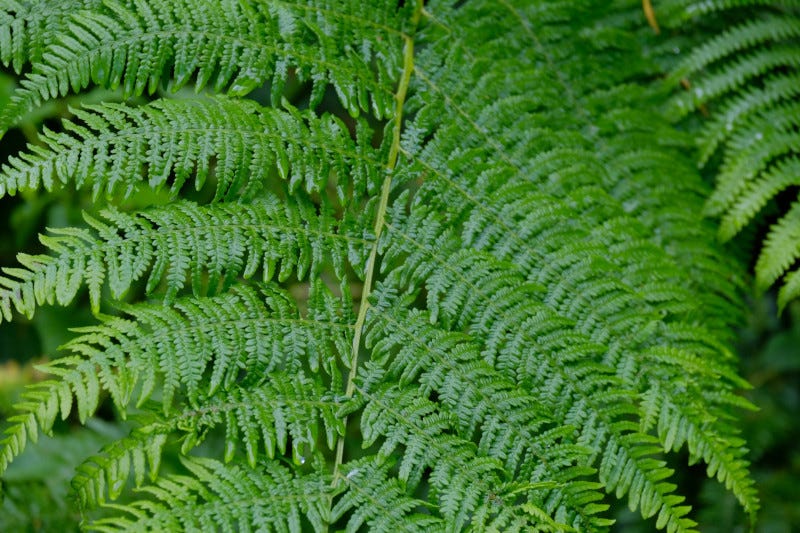
Dryopteris affinis (Scaly Male Fern) is an excellent choice for these specific conditions. It is a robust and bulletproof fern for UK gardens. Dryopteris is specifically suited to the heavy clay and shade of my north-facing driveway. It can be evergreen in the right conditions, although it often goes brown in nature when winter is approaching.

I saw this fern growing wild in the White Down area of Surrey. I came across this area while scouting for MTB trails last Summer. It caught my eye because I used to ride alongside similar ferns at Skeggs when I lived in the Bay Area.

Using Dryopteris in Surrey
If you live in a similar home to my 1930s semi-detached Surrey House, here is why it works and how to ensure it thrives:
Shade Tolerance
While many plants struggle in dense shade next to a house, Dryopteris affinis naturally thrives in these low-light conditions. It is much more resilient to “dry shade” (common under house eaves) than many other fern species.
Clay Soil
It is perfectly adapted to the heavy, moisture-retentive clay found in Surrey. It actually prefers the consistent moisture that clay provides, as long as it isn’t sitting in a literal swamp of standing water.
Urban Resilience
It handles urban air quality well and is virtually pest and disease-free, making it a low-maintenance “set and forget” plant for urban gardens. Surrey may be the most wooded county in England, but much of Surrey is quite urban, particularly in the bedroom communities where many London professionals reside.

Critical Planting Tips for Success
While the plant is tough, the foundation of a typical suburban Surrey home adds 3 specific challenges:
Rain Shadow
The area right next to a house often stays dry even when it rains. This is by design as the roof overhangs slightly to keep rain off the exterior.
Ensure you water the fern regularly during its first two summers until its root system is established.
Compacted Clay
Construction near foundations often leaves the clay soil heavily compacted.
When planting, dig a hole twice as wide as the pot and mix in some leaf mould or well-rotted garden compost to open up the structure.
DO NOT USE SAND. Sand and clay make concrete.
Foundation Salts
Concrete Slab Foundations can sometimes leach lime, making the soil more alkaline.
Luckily, Dryopteris is not fussy about pH and will tolerate neutral to slightly alkaline soil without issue.
Characteristics at a Glance
Botanical Name: Dryopteris affinis
Form: It grows in a classic shuttlecock shape.
Size: Can reach 90cm–1.2m in height and spread.
Foliage: Semi-evergreen. In a sheltered spot in Surrey, it will likely stay green all through winter, only needing a tidy-up of old fronds in early spring.
Visual Interest: The stems are covered in beautiful golden-brown scales (hence the name “Scaly Male Fern”), which look particularly striking when the new fronds “unfurl” in spring. Some varieties have a silver or white underside on their fronds.

Best Time to Plant
The best time of year to plant Dryopteris affinis is in early autumn (September to October) or mid-to-late spring (March to May).
My garden is in Surrey, which tends to be warmer and drier than is typical of the UK. Accordingly, these planting times offer the best balance of soil temperature and natural moisture.
1. Spring Planting (March–May)
The Benefit: Planting now allows you to watch the new “crosiers” (unfurling fronds) emerge immediately. It gives the plant a full growing season to establish its roots before winter.
The Surrey Factor: Surrey often gets dry, bright spells in late spring. If you plant in Spring, you must be diligent about watering. The soil near house foundations dries out much faster than the rest of the garden.
2. Autumn Planting (September–October)
The Benefit: This is often considered the gold standard for ferns. The soil is still warm from summer, but the air is cooling, and the autumnal rains begin.
The Advantage: The roots will quietly establish throughout a mild Surrey winter, meaning the plant will be drought-tolerant by the time the following summer arrives.


Times to Avoid Planting
Mid-Winter (December–February): Avoid planting if the ground is frozen or waterlogged. In heavy Surrey clay, winter planting can lead to root rot if the plant is not established before the ground turns to mud.
Mid-Summer (July–August): While possible with container-grown plants, the intense heat and rain shadow effect next to your house will make it very difficult to keep a new fern hydrated.

Pro-Tip for Clay Soil
If you have clay soil, avoid planting during a very wet week. Working clay when it is saturated smears the sides of the planting hole, creating a smooth, airtight bowl that roots struggle to penetrate. You are essentially creating a clay pot which will girdle roots. Wait for a few dry days so the soil is crumbly rather than sticky.